
Postpartum Tips for Neurodivergent Moms
I was completely blindsided by my postpartum experience. I couldn’t grasp the idea that motherhood meant being constantly needed by someone every minute of every day for the rest of my life.

Mothering After Loss
I’ve experienced loss, a C-section, and postpartum anxiety firsthand — and I know how overwhelming postpartum can be. Learn how placenta encapsulation can support your recovery in South Jersey, Philly, and the Jersey Shore.

We Need Paid Parental Leave – Maternal Mental Health Depends On It
We live in the wealthiest country to ever exist on this planet, yet every day new parents are faced with an impossible choice: go back to work and sacrifice their physical and mental recovery, or stay home longer and risk financial instability. For millions of families across the United States of America, the lack of paid parental leave isn't just an economic issue; it is a legit mental health crisis.
Paid leave in the United States is a privilege, and if you're one of the lucky ones to live in a state that offers paid leave or work for a company that offers it, be grateful. At the time I’m writing this, only 12 states and Washington, D.C., have implemented paid parental leave programs.
The postpartum period is an insanely vulnerable time for new parents, especially for new moms, and without the proper support—which we do not get here in America—we find ourselves struggling to heal physically, adjust to our new roles, learn how to breastfeed, while sleep deprived, and, on top of all of it, we get to stress out financially. On top of it, for most people in a partnered relationship, it's the male partner who goes back to work sooner than the female partner; she ends up, by default, dealing with all of the mental, physical, and emotional labor of parenting and household management. It's a f*cked-up system, and it needs to change.

What is PDA Autism and What Does It Have to Do With Postpartum Anxiety?
Pathological Demand Avoidance (PDA) is a profile of both autism and ADHD, where any kind of demand—no matter how small—feels like a loss of control. It’s not that we’re intentionally avoiding things; it’s that our brains are wired to feel panic when something is expected of us. And in postpartum, where demands are endless—feeding, changing, soothing—it’s like overload on every level. For moms with PDA, this can quickly lead to postpartum anxiety because the constant demands feel suffocating, triggering that “fight or flight” response, and making it harder to cope with day-to-day life.

Hey America! I Blame YOU for My Postpartum Anxiety (And Why It's So Common for New Moms)
Lanisoh conducted a survey a few years back and the while the majority of women who participated felt prepared to care for their baby, 92% said there were parts of the postpartum period they were not prepared for. Nearly two-thirds or more were unprepared for breastfeeding, mental health concerns, lack of sleep, and physical recovery.
We’re sold a story about the postpartum period by Hollywood and the global baby product industry, with a market size estimated at over 320 billion in 2023. The global market is dominated by guess who? Yup — the baby care products market in the US rang in to the tune of USD 25.5 billion in 2023.
Our expectations are way off, and that’s one of the risk factors for postpartum anxiety and depression.
It’s no wonder so many of us out here struggling with postpartum anxiety. Why so many of us hate our husbands after we have a baby. It makes sense that we’re erupting with postpartum rage over a spilled glass of water.
My Personal Experience With Postpartum Anxiety
In this post, I open up about my experience with postpartum anxiety—how it affected my daily life, my struggles with car rides, getting time alone, and how it felt to feel such a lack of control over my life. By sharing my story, I hope to help others understand the reality of postpartum anxiety and offer support and hope to anyone going through it -- This is temporary. You’re not alone. You will survive.

Overwhelmed by Postpartum Life in South Jersey? Here’s What You Need to Know
Postpartum isn't supposed to feel this hard. If you're juggling breastfeeding, sleep deprivation, and partner resentment, you're not alone—and you're not failing. And if you're neurospicy, it can be a thousand times harder. Learn 5 ways to make it through without drowning under society's unrealistic expectations.
How to Simplify Your Postpartum Life: Tips for Overwhelmed Moms
Moms often feel the pressure to do it all, driven by societal standards and unrealistic expectations. For neurodivergent moms especially, this pressure can be even more intense as we navigate a world not designed for our needs. The result? Overwhelm, exhaustion, and burnout before our babies even hit their first birthday.
The key to surviving and thriving is to focus on what matters to you, not what society says is important. This is about building a life that aligns with your values and rejecting the stressors that don’t.

Neurodivergent Motherhood Unveiled
Unlocking the challenges of motherhood as a neurodivergent mom – from undiagnosed ADHD to autism. Discover support, strategies, and community at NeuroSPICY Postpartum – The Membership. Let's manage motherhood together.

Choosing a Safe Placenta Encapsulation Service: 10 Important Questions to Ask
Choosing a Safe Placenta Encapsulation Service: 10 Important Questions to Ask

Perfectionism, Postpartum Anxiety, and Rage
Perfectionism can make the postpartum period tougher for neurodivergent moms, amplifying anxiety and even leading to rage. Learn how to silence your inner critic, build authentic support systems, and parent collaboratively. Remember, you’re already enough—imperfections and all.

FAQ: Is the Placenta Full of Toxins?
As a placenta encapsulation specialist, I spend a lot of time clearing up misinformation and misconceptions. People have all sorts of opinions, from those who are genuinely curious to those who, for whatever reason, are dead set on talking folks out of taking placenta pills. I fully understand that placenta encapsulation isn’t for everyone, but I am fully committed to helping people make informed decisions about how to support themselves postpartum.

Recognizing and Understanding Postpartum Rage
Postpartum rage is a common challenge for new moms, often linked to feelings of overwhelm and lack of support. It’s not a sign of being a “bad mom.” Seeking help, whether through self-care, therapy, or support groups, can make all the difference.
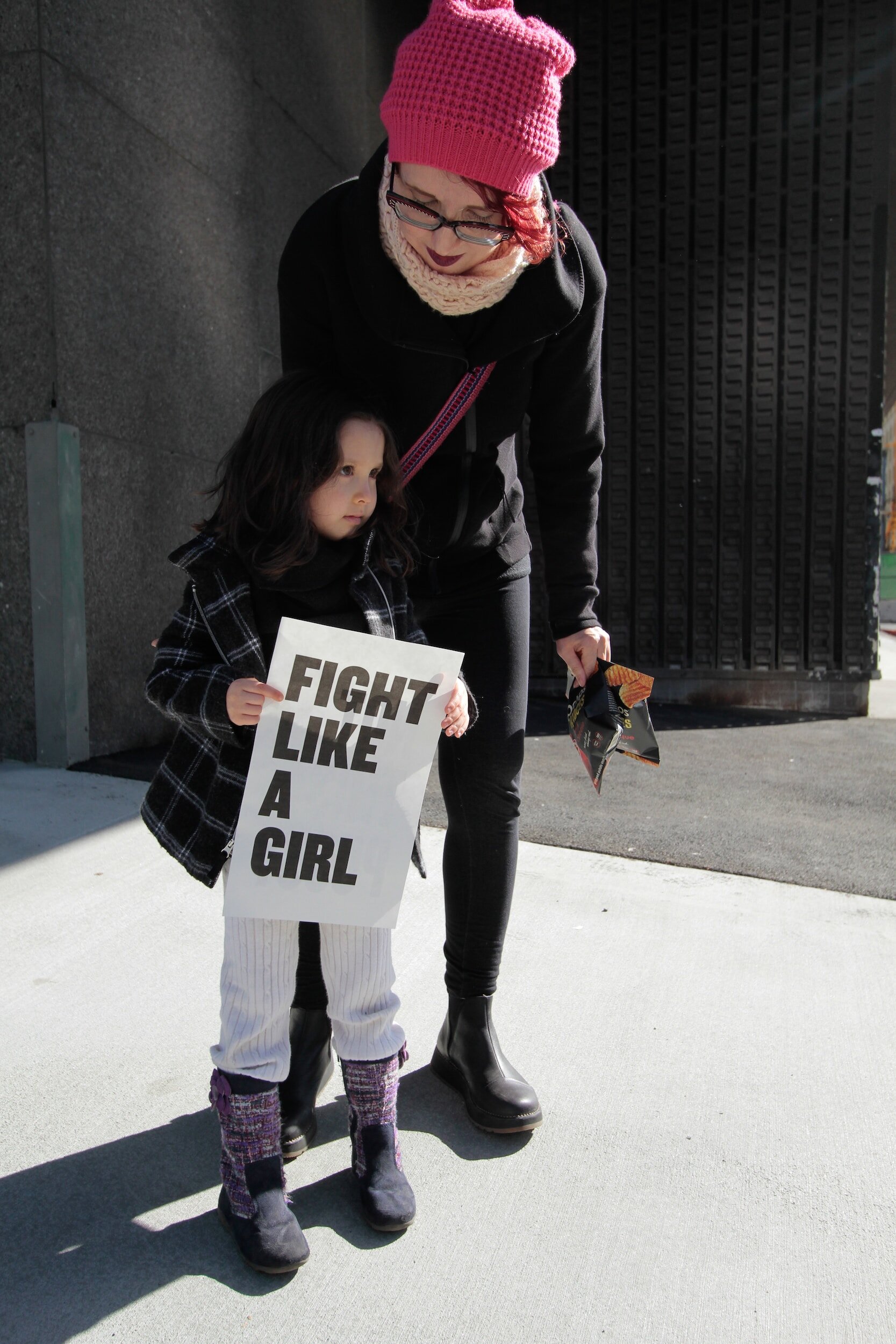
Thanksgiving Reality Check
The time for change is now.
If you’re an expecting or new mom who doesn’t buy into the bullshit, and you want to build a better world for our kids, I invite you to join me in the Fourth Trimester Revolution.

Peeing Your Pants Isn’t Normal OR Inevitable
In many developed nations, postpartum care includes comprehensive support for women's health, and this often includes pelvic floor therapy. PFT addresses the physiological changes that occur during pregnancy and childbirth, particularly the stress placed on the pelvic floor muscles. These muscles play a pivotal role in bladder and bowel control, and when weakened or damaged, can lead to issues like urinary incontinence.
Unfortunately, in the US, there's been a historical lack of emphasis on this aspect of maternal health, and honestly, it's infuriating.
Placenta Pills vs. Zulresso - The Battle for Postpartum Mental Health
It's flipping awesome that there's now a medication with proven efficacy in treating postpartum depression (PPD). However, when we consider the potential benefits of placenta encapsulation in preventing PPD, it's kind of infuriating to see the lack of research in this area.
Let’s consider the reasons behind it.
Where’s The Research on Placenta Pills?
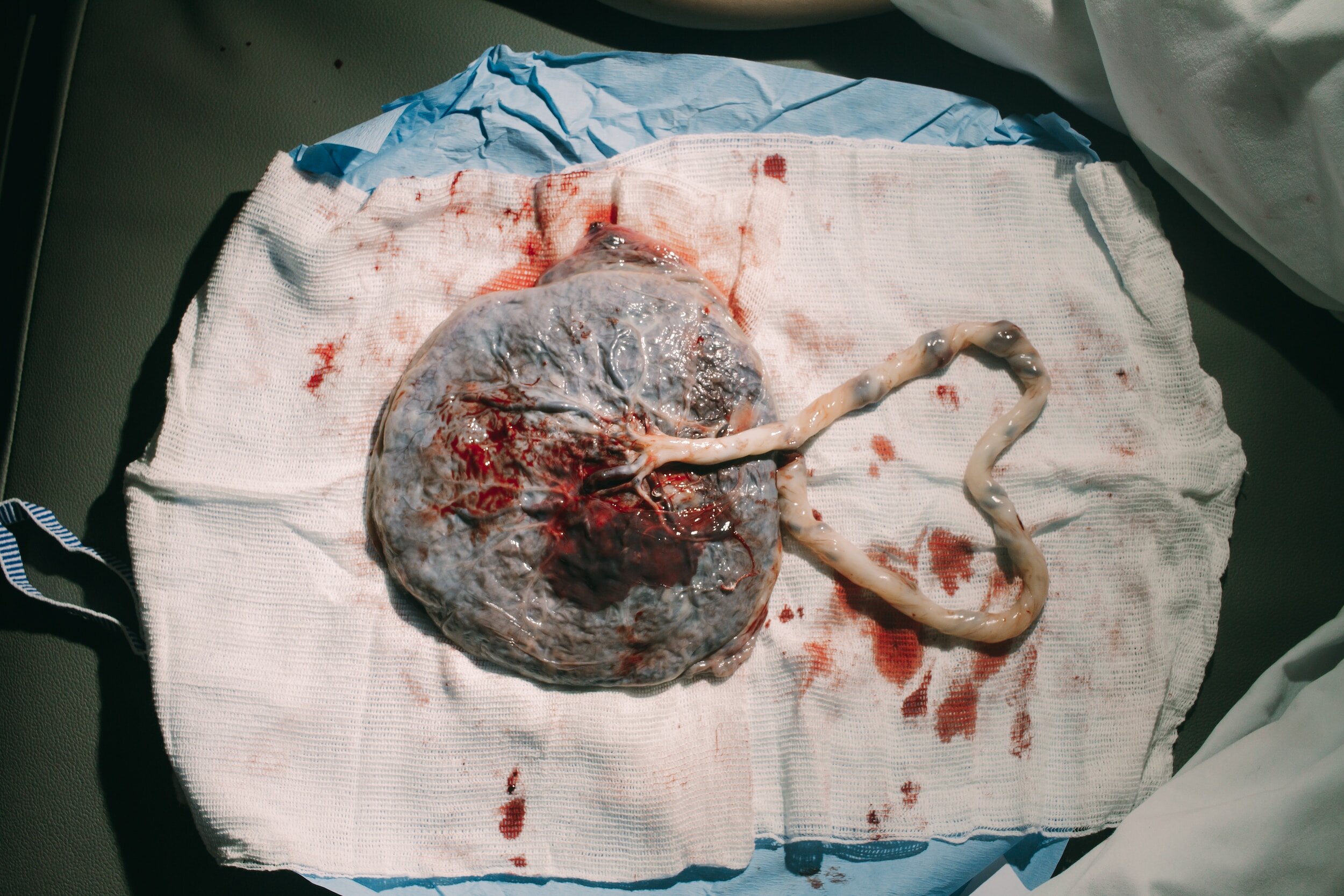
Placenta encapsulation, one of my specialties, is really not as wild as it seems. It involves taking a new mom's placenta, dehydrating it, grinding it into a powder, and encapsulating it for her own consumption. This age-old practice has been around for centuries but has increased in popularity among mainstream folks over the last decade or two, thanks in part to Kim Kardashian and the power of social media.
Many of us who have tried it swear by the efficacy of our placenta pills. Yet, skeptics scream about its safety and lack of scientific evidence – even though not a single woman or baby has been harmed by it.
In a world where society often leaves new moms to navigate motherhood alone, many are willing to try anything, especially something created by their own bodies, to enhance their postpartum experience. It's a form of empowerment, giving moms the choice and control over their own well-being.
Reclaiming Motherhood
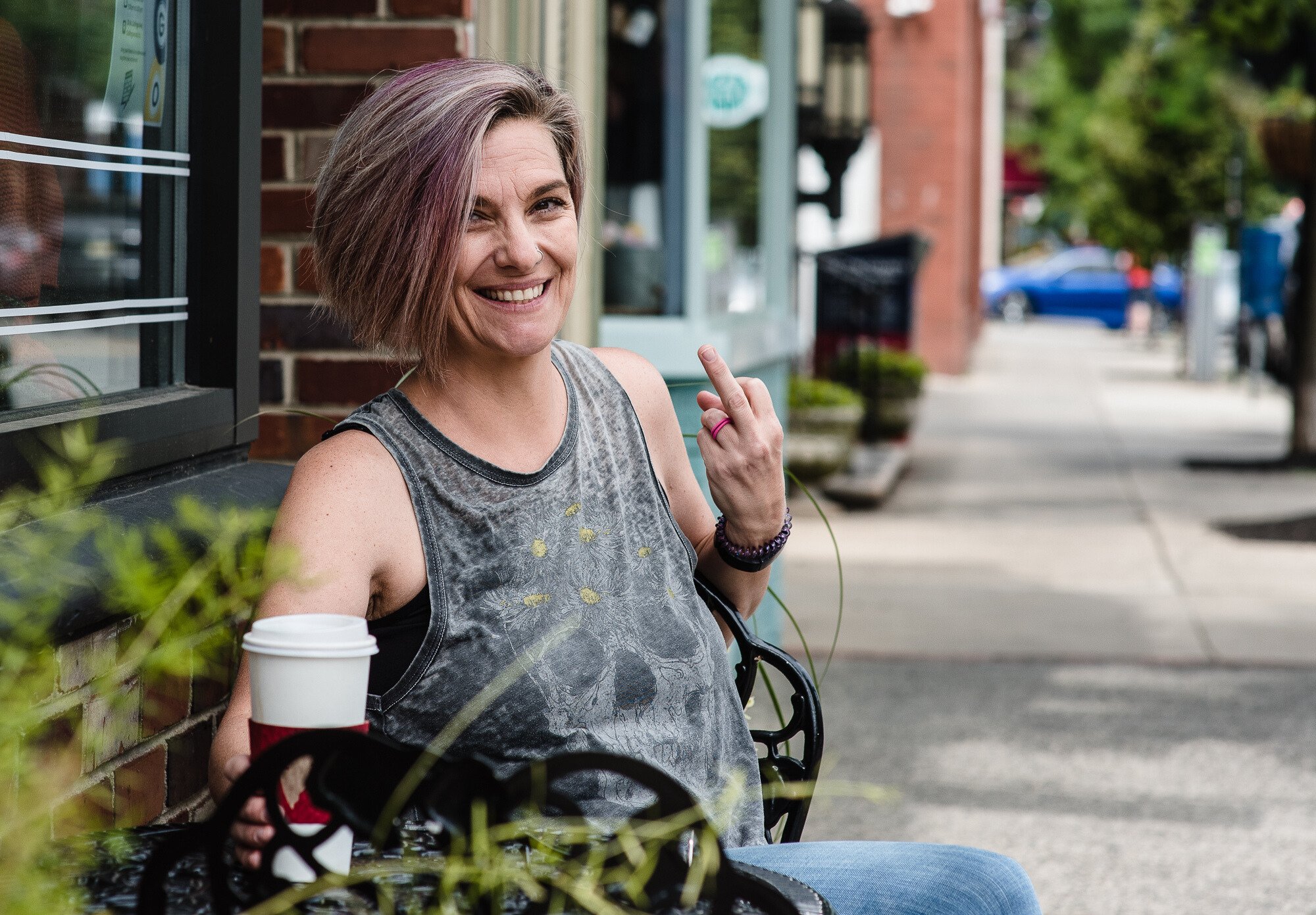
Society has abandoned us. So I say, we abandon it. F*ck society & its norms. We’ve tried to meet the standards, but where has it gotten us? To start, it’s landed us in a maternal mental health crisis, one in which at least 1 in 5 of us are struggling with anxiety/depression. ONE IN FIVE.

Perfectly Imperfect Disorganized Mom
It's okay to not have it all together.
(In fact, it’s quite normal.)
Time is Measured in Minutes, Not Money: The Shared Labor of Parenthood
Your worth is non-negotiable. You deserve to live a life where the load is shared equally, where you're supported, and where your partner is as invested in your family's well-being as you are.