Placenta Encapsulation & Keepsakes South Jersey
South Jersey’s premier placenta encapsulation service. Serving Virtua Voorhees, Inspira Mullica Hill, Jefferson Washington Township and more.
Since 2012 · 1,500+ placentas · IPPA certified, Warm Method · Pickup within 90 minutes of Cherry Hill, NJ
I had Postpartum anxiety after all 3 of my previous births, and pretty severe depression after my 2nd baby. There was a noticeable difference this time, and I do attribute much of that to consuming my placenta.
— Dana Hansbury, South Jersey Doula

What Is Placenta Encapsulation and What are the benefits?
Placenta encapsulation is the process of turning your fresh placenta into easy-to-swallow vitamins you can take postpartum to help boost your mood, energy, milk supply, and recovery.
Unfortunately, the scientific research hasn’t quite caught up to the anecdotal evidence (because who would pay millions to back a study that proves women are THIS powerful?)
The truth is that moms who take placenta pills repost all kinds of good stuff, like a balanced mood, more energy, increased milk supply, quicker healing, and I believe most importantly, a sense. of control over what can feel like a very out-of-control season of life.
And it’s super rare that I have a client who struggles with their postpartum mental health. Just sayin.’ (Check out the testimonials on this page and on Google.)
If encapsulating your placenta is on your postpartum to-do list… Tiff is YOUR GAL! This was hands-down one of the best postpartum experiences, which included pick-up, a keepsake, personal check-ins and MORE. I would highly recommend her services to anyone who’s even remotely interested! Sooo worth it.
— Annabella D., first-time mom

The packages
Basic Encapsulation — $350
Professional encapsulation using the Warm Method, properly labeled capsules, storage container, dosage and storage instructions, placenta transport kit, pickup and return delivery included.
Placenta Encapsulation Plus — $450
Everything in Basic, plus: tincture, salve, and serum.
Keepsake Package — $350
A framed placenta print — natural, or with color added — and your choice of cord keepsake: a resin heart sun catcher with your choice of inclusions, or a knotted macramé wall hanging. Includes placenta transport kit.
The Everything Package — $595
Pills, tincture, salve, serum, cord keepsake, framed print, leftover powder, a video from my workspace, and unlimited support — text, email, voice notes, calls — for as long as you need it.
i Decided to get my placenta encapsulated with my third pregnancy and totally regret not getting it done with my other two. It’s a total game changer physically, emotionally, and mentally.
— Megan C, third-time momInterested in Keepsakes but not Placenta Pills?
If you’ve got a placenta in your freezer and you’re not sure what to do with it, or you just want to preserve the memory of this incredible connection you had to your baby, I got you.
Trusted by Hospitals, Birth centers & Home Birth midwives Throughout New Jersey, Philadelphia, & Delaware.
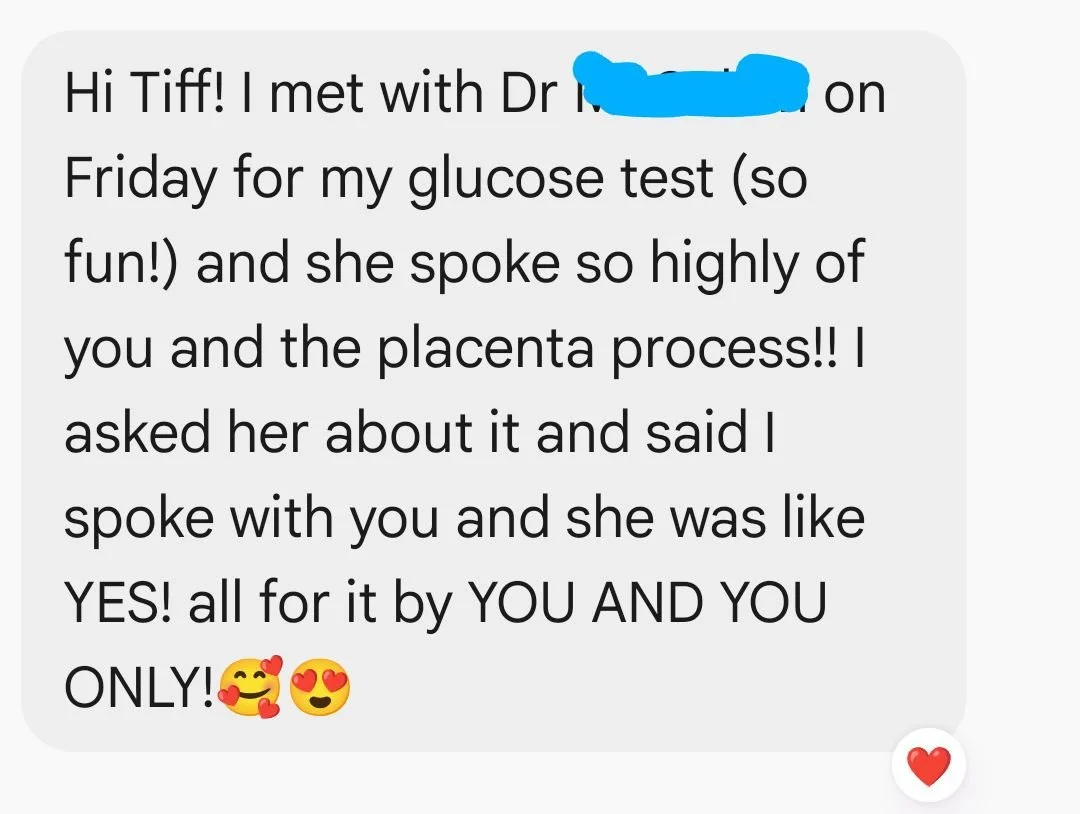
I provide placenta encapsulation services for hospitals, birth centers, and home births within approximately a 90-mile radius of my home workspace on the west side of Cherry Hill, including Camden, Burlington, Gloucester Counties, and beyond.
I’m the OG of South Jersey Placenta Encapsulators. So if you’re looking for experience, I’m your girl.
Outside my service area? No problem!
Shoot me a text and I’ll help you find someone in your area who’s trained and experienced. 856-278-1847
Need more than just placenta pills?
My Postpartum Transition Package gives you hands-on help building systems for the fourth trimester.
Encapsulation clients receive 15% off LIghten the Load Postpartum Support Services
Frequently Asked Questions
-
Placenta encapsulation is the process of preparing your placenta after birth so you can take it in capsule form during your postpartum recovery. After your baby is born, the placenta is rinsed, gently steamed, cut into thin strips, dehydrated, and ground into a fine powder that is placed into capsules. Those capsules are then returned to you to use in the weeks and months after birth.
It’s a simple, practical way to use an organ your body made specifically to sustain and regulate you during pregnancy — instead of letting it be thrown away as medical waste.
-
Placenta encapsulation supports your body as it makes one of the biggest physiological transitions it will ever experience: pregnancy to postpartum.
Your placenta contains:
Hormones that drop suddenly after birth
Iron and minerals that support blood volume and healing
Nutrients that help with energy and recovery
By taking your placenta in capsule form, you are giving your body back some of what it just lost, which can help smooth out that hormonal crash and support a steadier recovery.
Many parents report benefits like:
More stable mood
Better energy
Improved milk supply
Faster physical recovery
-
Because postpartum is intense — physically, hormonally, and emotionally — and modern society does almost nothing to support that transition.
Your body spent nine months building an organ designed to regulate hormones, deliver nutrients, and sustain life. After birth, that organ is suddenly gone, and your hormones drop sharply. That shift is one of the biggest contributors to postpartum mood changes, exhaustion, and emotional overwhelm.
People choose placenta encapsulation because it’s a way to:
Support hormone balance
Replenish nutrients
Feel more emotionally grounded
Recover more smoothly
Honor their postpartum body
It’s not magic. It’s nature. And it’s about giving your body back something it made for you.
-
Your placenta is handled with medical-grade sanitation, temperature control, and dehydration standards designed to reduce bacterial risk and ensure safe consumption. This is why professional encapsulation matters. DIY methods or untrained providers can be unsafe.
I also screen for certain medical situations and make sure each placenta is safe for consumption. Your safety always comes first.
Placenta encapsulation is not a medication or a medical treatment — it’s a postpartum support tool. When prepared properly, it is safe.
-
Reports of benefits are based on anecdotal evidence from individual experiences and are not yet backed by specific scientific studies.
You can check out my reviews on Google to see what my specific clients have to say, or visit my Research & Articles page for more info.
-
While there aren’t any major studies specifically on placenta pills yet, there is plenty of research that, when viewed through a natural and common-sense lens, supports the idea that placenta pills can offer benefits for postpartum moms.
If you’re curious, check out my Research and Articles page to learn more.

Yes! I’m certified
Since 2014… when I was a new mom and still married.
Safety is my number one priority. I want you safe, healthy, and cared for.
Over 1500 safe South Jersey and surrounding area placenta encapsulation services since 2012
Certified with International Postpartum and Placenta Association since 2014
Blood borne pathogen & food safety certified
Now Accepting HSA/FHA Cards!
*
Now Accepting HSA/FHA Cards! *
Option 1: Use Your HSA/FSA Card Simply run your HSA/FSA debit card just like a regular credit card when booking. If your card is declined, don't worry - you can contact your HSA/FSA administrator to check if placenta encapsulation is eligible for reimbursement.
Option 2: Check Eligibility First If you don't have an HSA/FSA card, call your administrator first to verify eligibility. Once confirmed, you can pay us upfront and then file for reimbursement afterward.
I’ll provide a detailed receipt if needed for your reimbursement claim.
The final determination of eligibility rests with your HSA/FSA administrator and their specific plan guidelines.
South Jersey | Central Jersey | Jersey Shore | Philly | Delaware
New jersey Placenta Encapsulation Service Areas
If you don’t see your birth place listed, that’s okay! As long as you’re within 90 minutes of me, I got you!
Placenta Encapsulation at Hospitals in New Jersey, Philadelphia, and Delaware
Placenta Encapsulation Virtua Voorhees
Placenta Encapsulation Virtua Mount Holly
Placenta Encapsulation Our Lady of Lourdes Hospital Camden
Placenta Encapsulation Jefferson Washington Township Hospital
Placenta Encapsulation Cooper University Health Care Camden
Placenta Encapsulation Capital Health Medical Center Hopewell
Placenta Encapsulation RWJ University Hospital Hamilton
Placenta Encapsulation AtlantiCare Regional Medical Center, Mainland Campus
Placenta Encapsulation Saint Peters University Hospital New Brunswick
Placenta Encapsulation Robert Wood Johnson University Hospital New Brunswick
Placenta Encapsulation Community Medical Center Toms River
Placenta Encapsulation Jersey Shore University Medical Center Neptune
Placenta Encapsulation Riverview Medical Center Red Bank
Placenta Encapsulation Monmouth Medical Center Long Branch
Placenta Encapsulation Penn Medicine Princeton Medical Center Plainsboro
Placenta Encapsulation Hackensack University Medical Center Hackensack
Placenta Encapsulation Jersey City Medical Center Jersey City
Placenta Encapsulation Overlook Medical Center Summit
Placenta Encapsulation Shore Medical Center Somers Point
Placenta Encapsulation Inspira Medical Center Vineland
Placenta Encapsulation Inspira Medical Center Mullica Hill
Placenta Encapsulation Robert Wood Johnson University Hospital Rahway
Placenta Encapsulation JFK Medical Center Edison
Placenta Encapsulation Community Medical Center Toms River
Placenta Encapsulation Ocean University Medical Center Brick
Placenta Encapsulation Southern Ocean Medical Center Manahawkin
Placenta Encapsulation Saint Peter's University Hospital New Brunswick
Placenta Encapsulation Hospital of the University of Pennsylvania
Placenta Encapsulation Pennsylvania Hospital
Placenta Encapsulation Thomas Jefferson University Hospital
Placenta Encapsulation Holy Redeemer Health
Placenta Encapsulation Abington Memorial Hospital
Placenta Encapsulation Einstein Medical Center Philadelphia
Placenta Encapsulation Lankenau Medical Center
Placenta Encapsulation at Birth Centers in New Jersey/Philly/Delaware
Placenta Encapsulation Midwifery Birth and Wellness Center at Virtua Voorhees
Placenta Encapsulation Our Birthing Center of Morris County
Placenta Encapsulation The Birth Center at Newark Delaware
Placenta Encapsulation Mary O’Shea Birth Center at St. Peter’s New Brunswick
Placenta Encapsulation Our Birthing Center of Ocean County (TRŪ Birth Center)
Placenta Encapsulation for New Jersey, Philly, and Delaware Home Birth Families
Placenta Encapsulation is available for home births throughout the region. I service within 90 minutes of my workspace in Cherry Hill, NJ 08034.
Outside my service area? No problem! Shoot me a text andwe’ll see what we can do. 856-313-5466
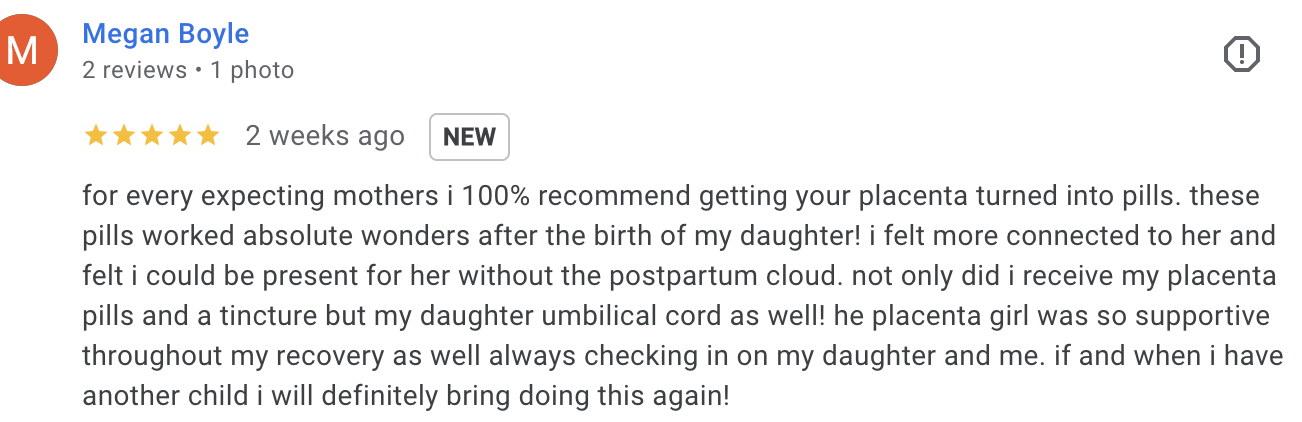
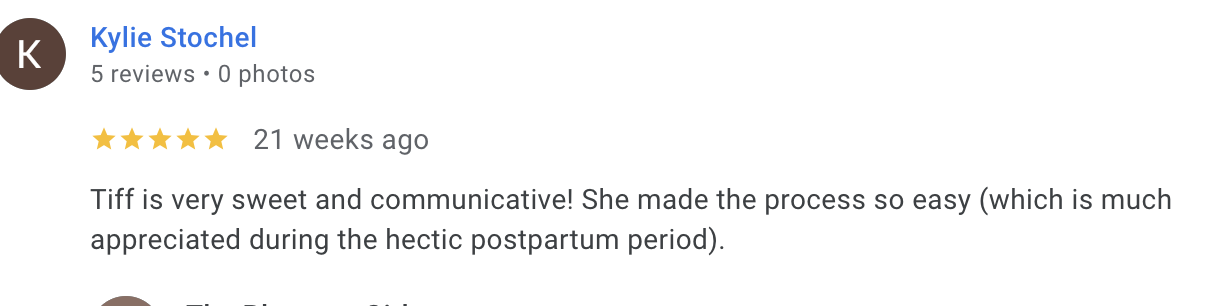
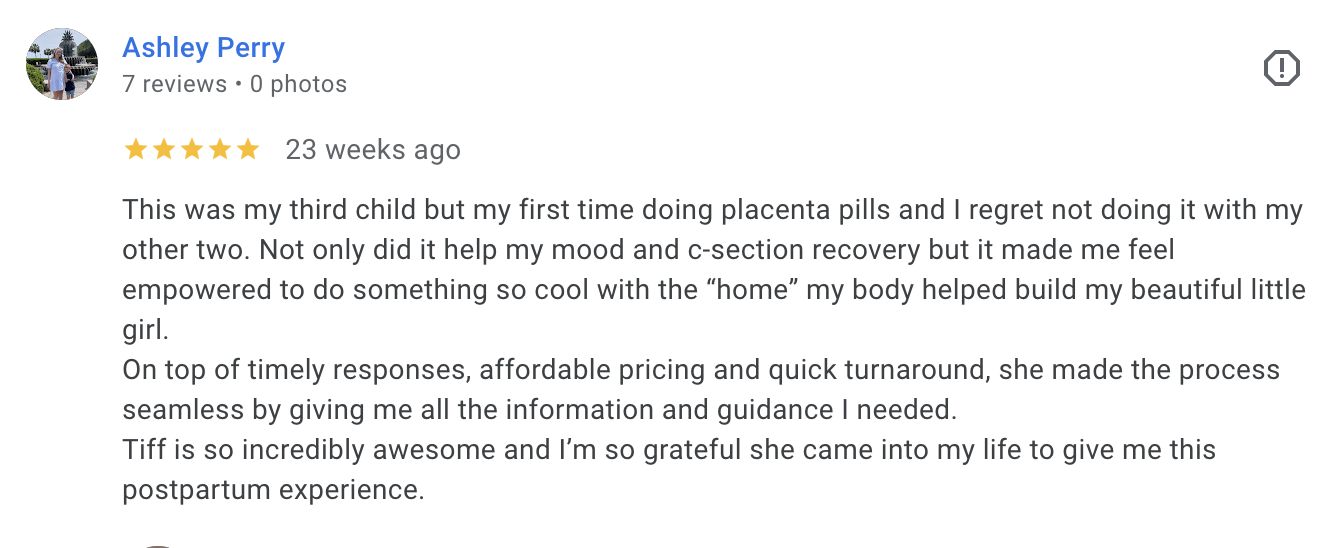
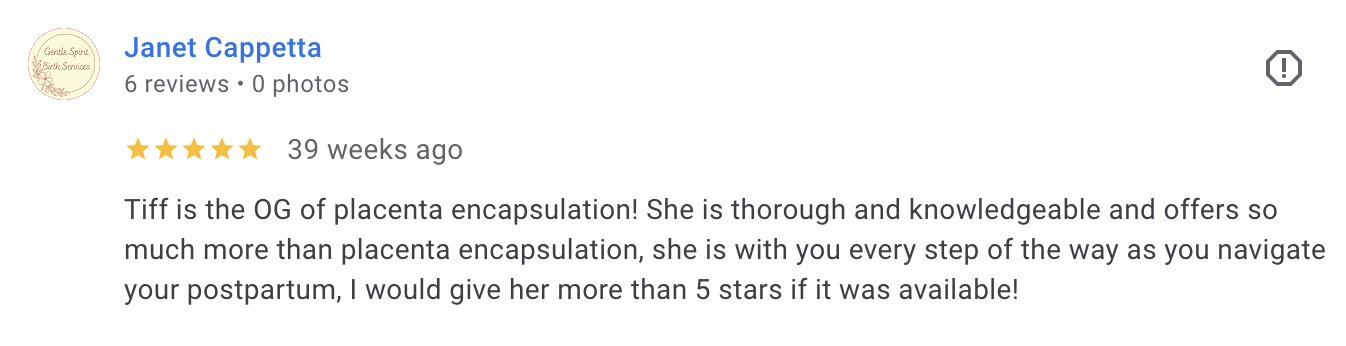
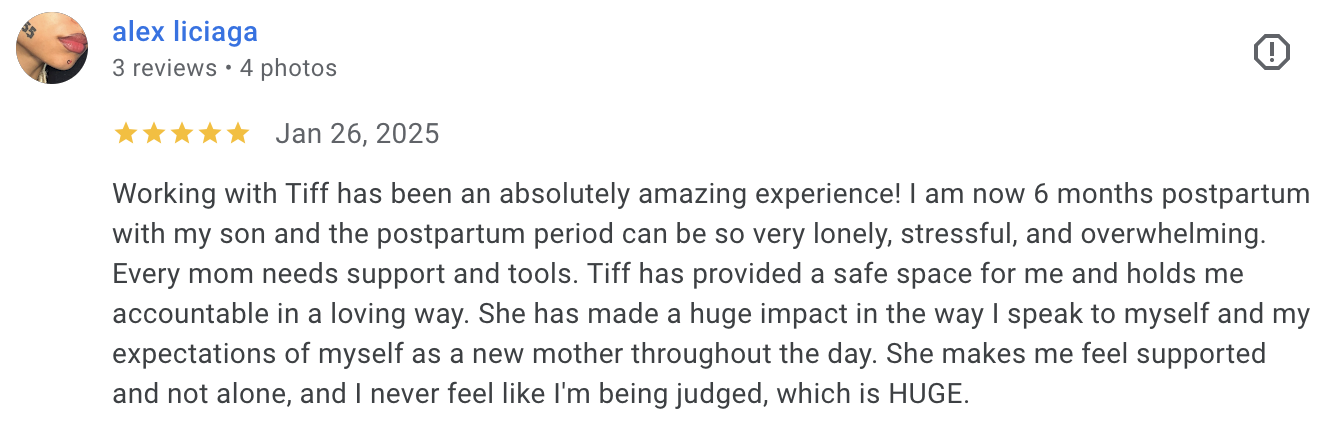
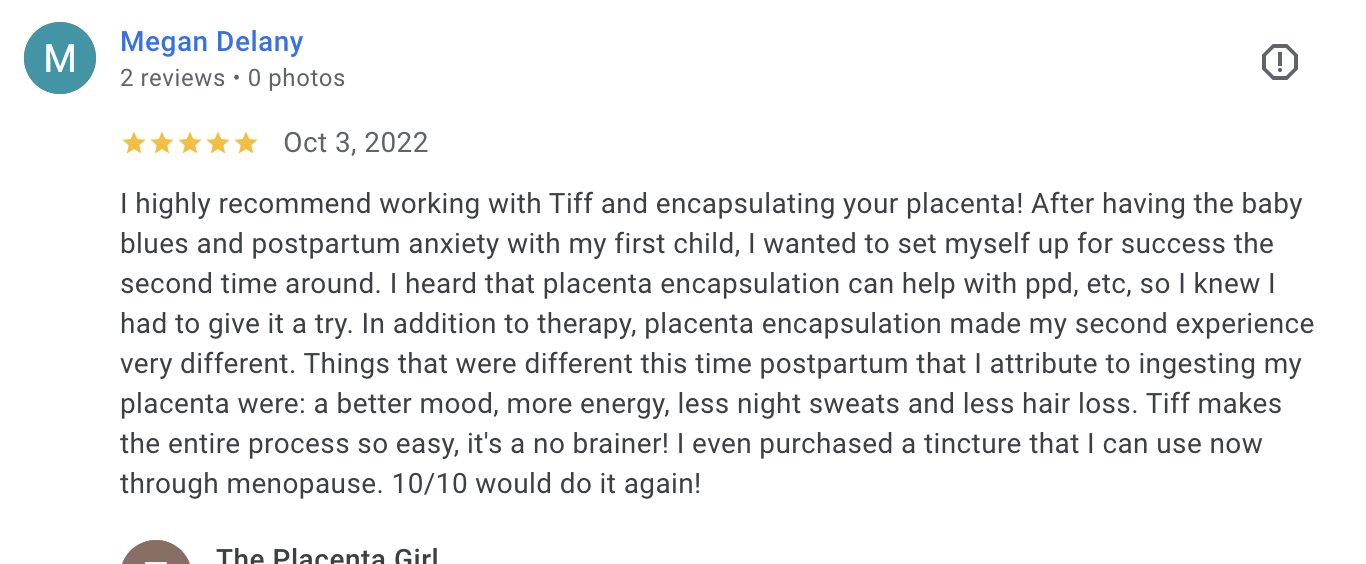
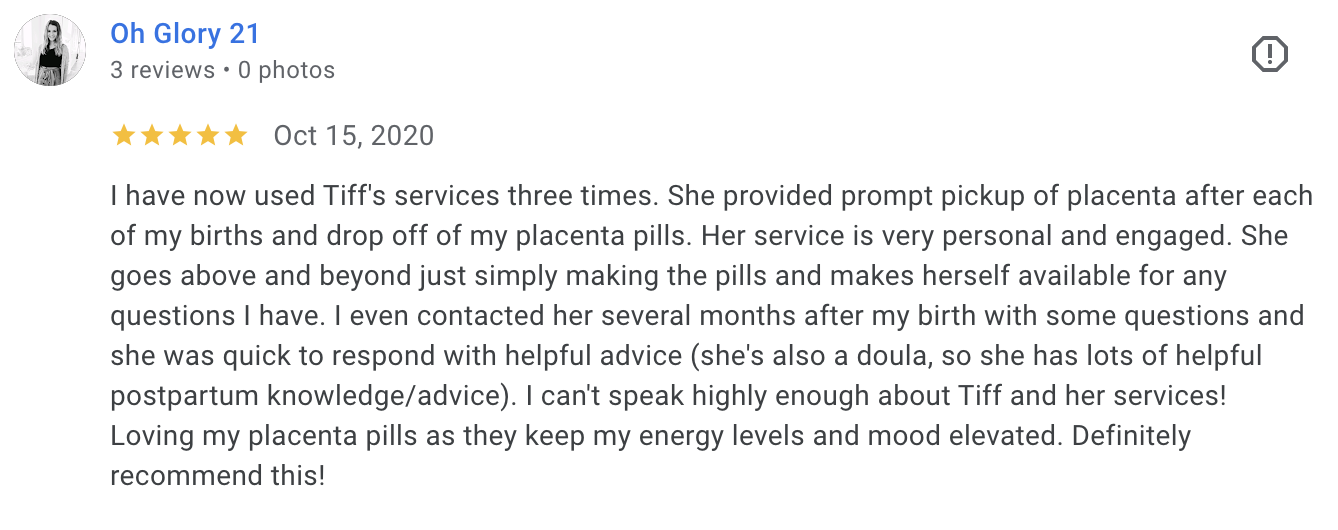
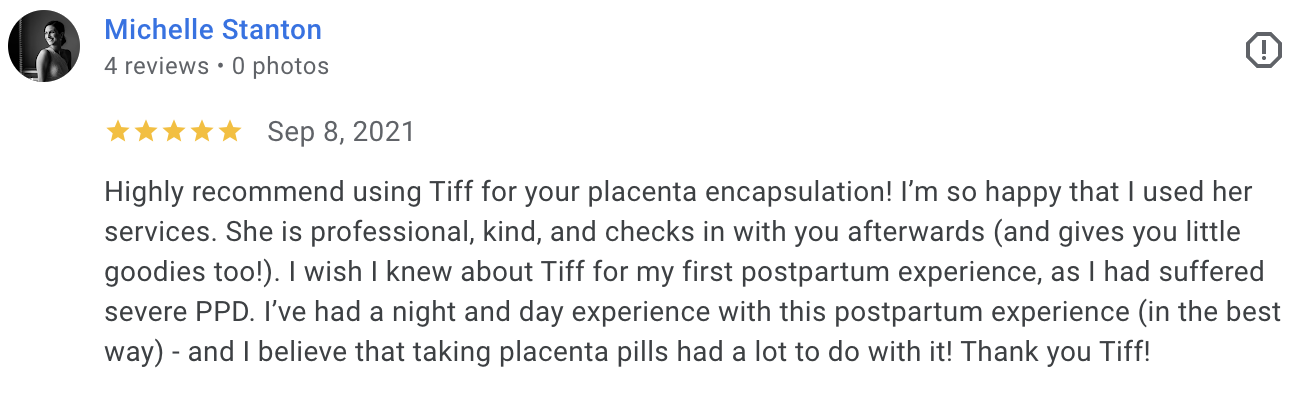
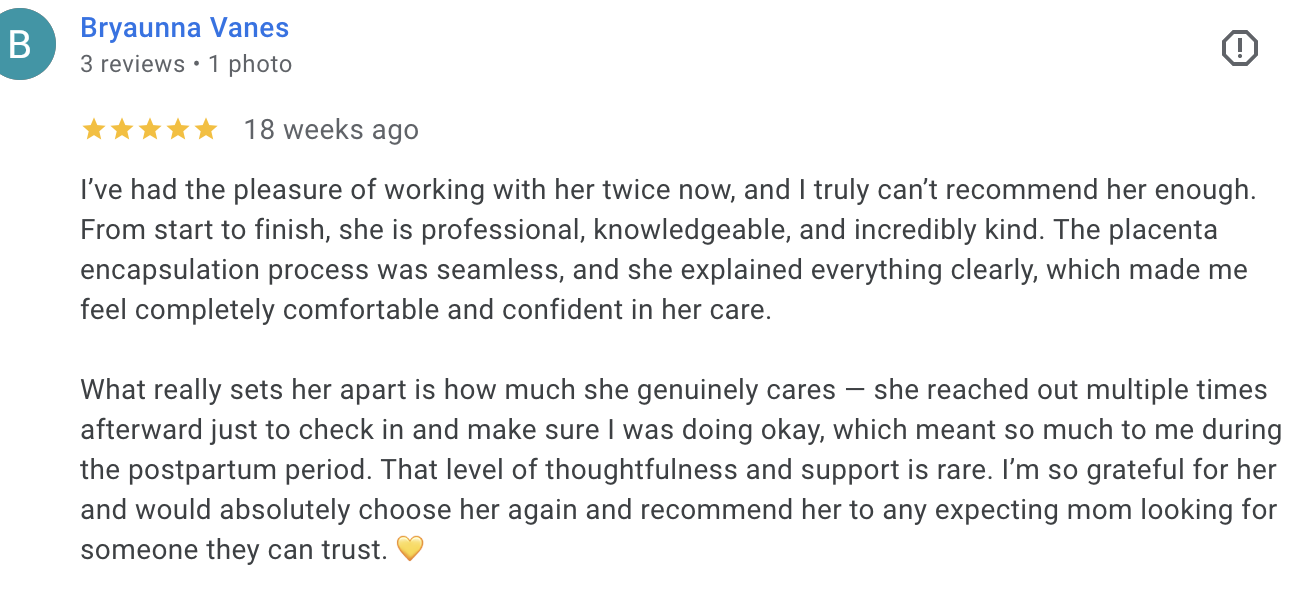
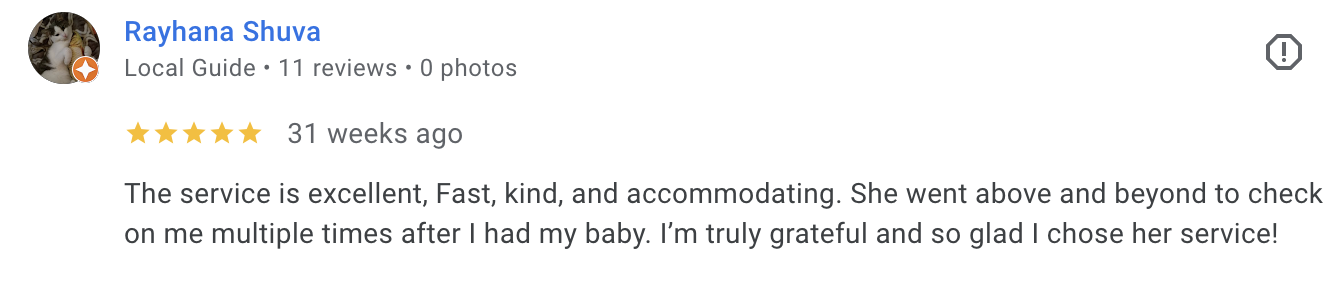
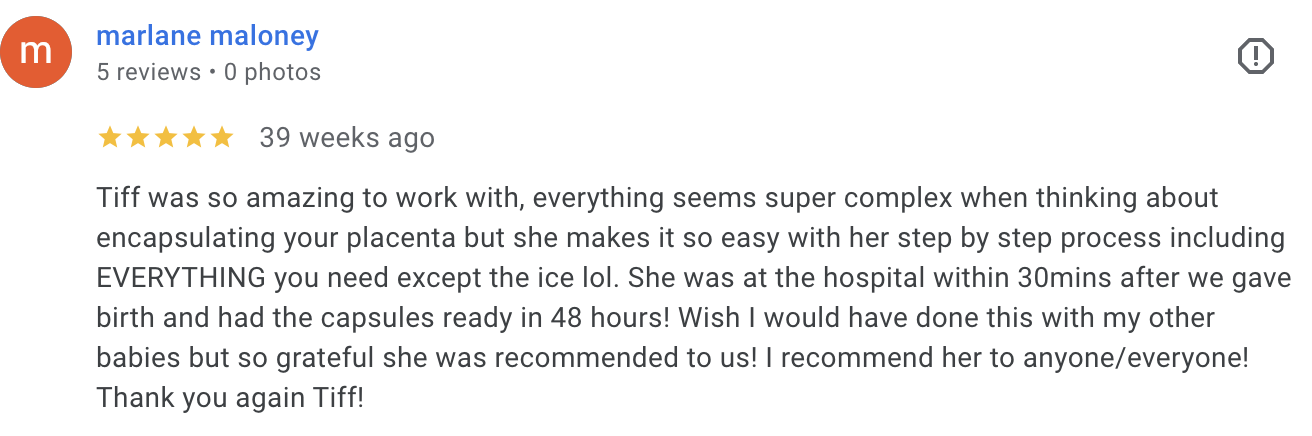
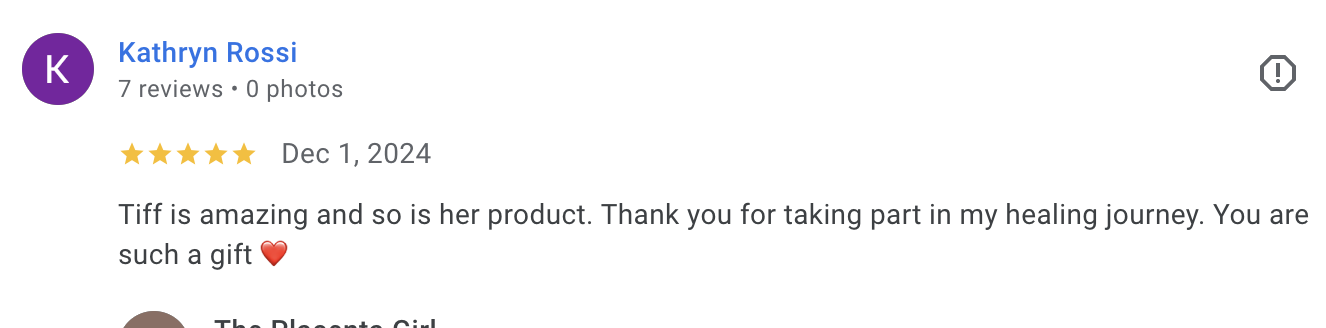
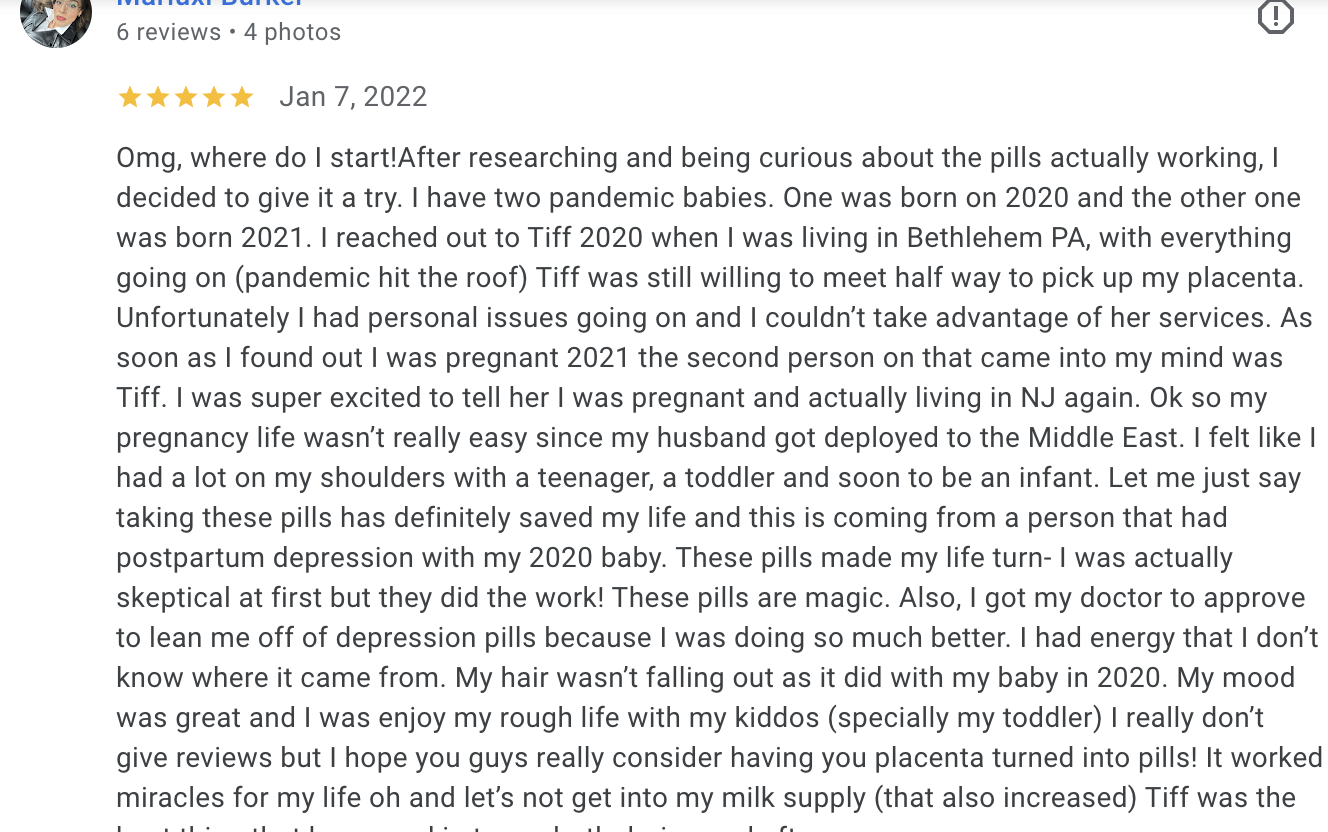
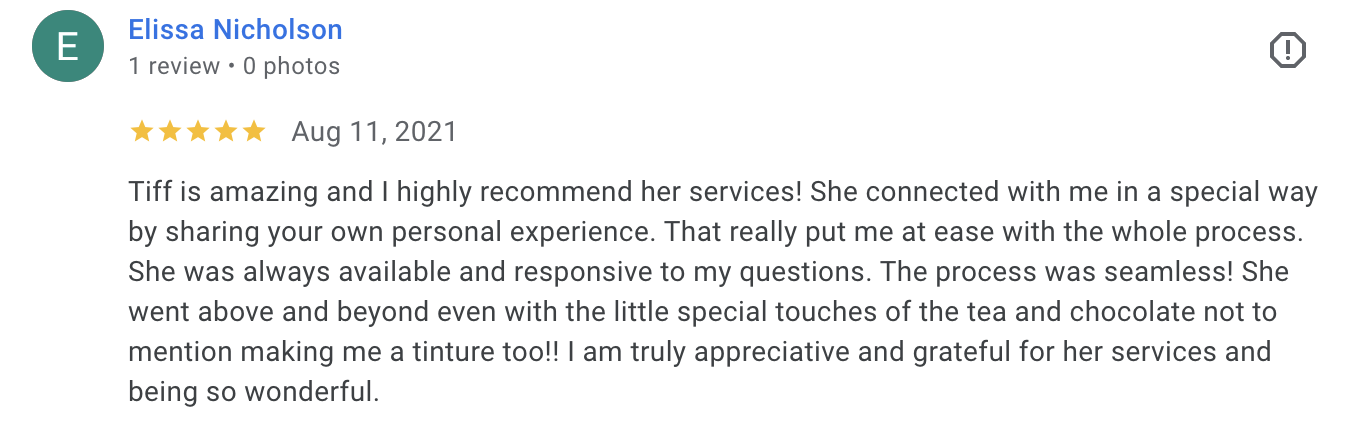
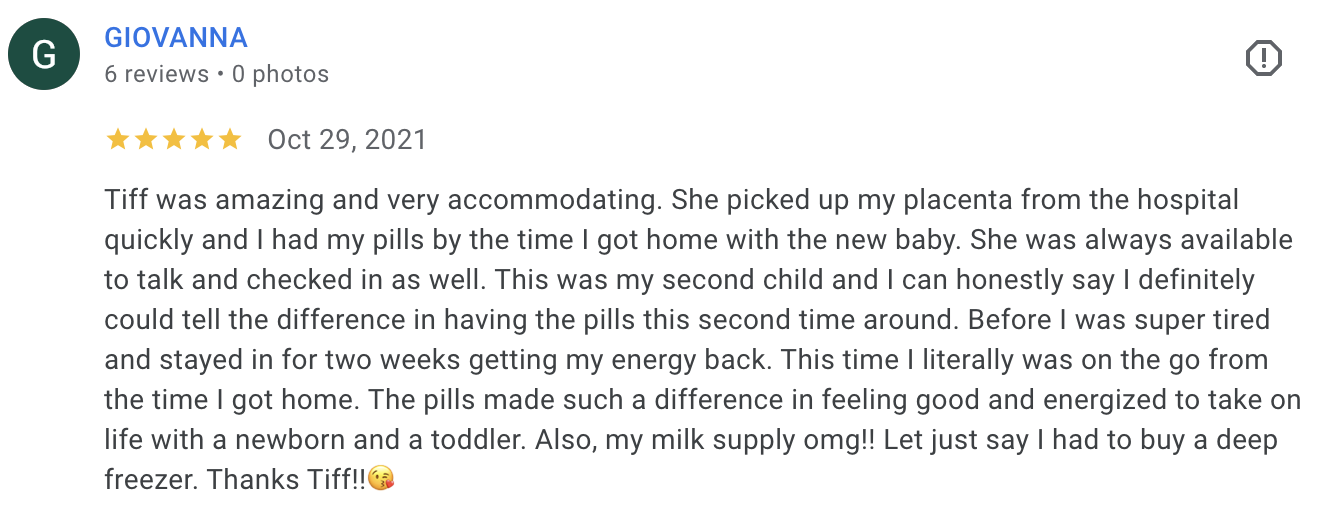
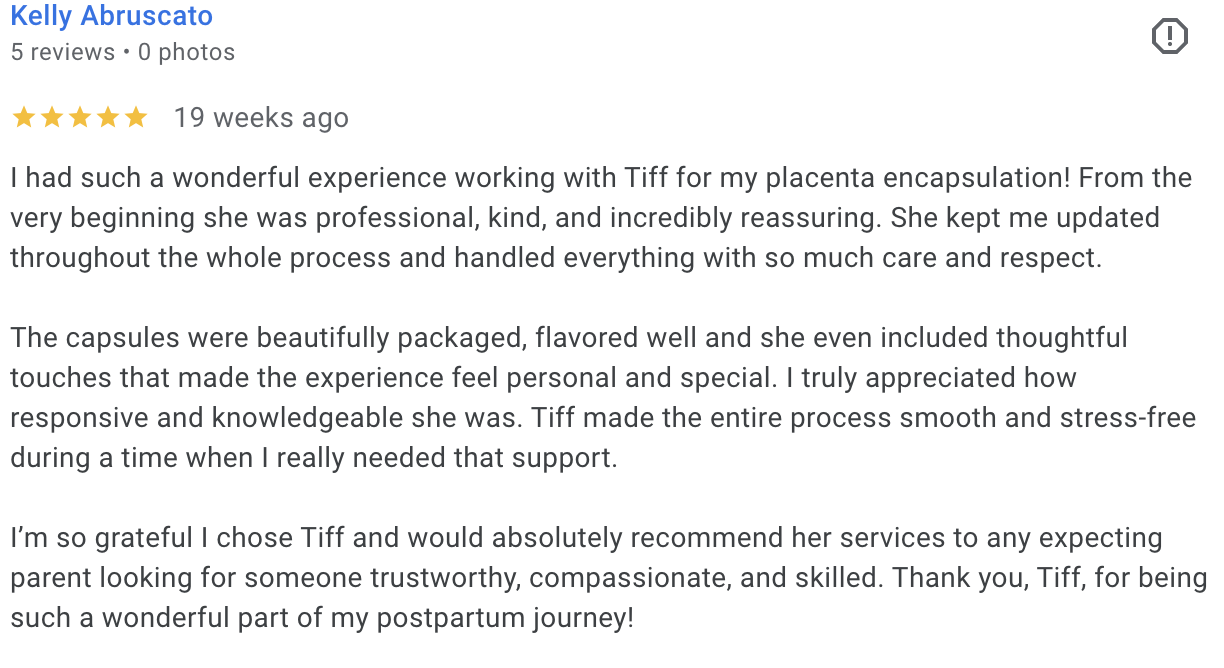
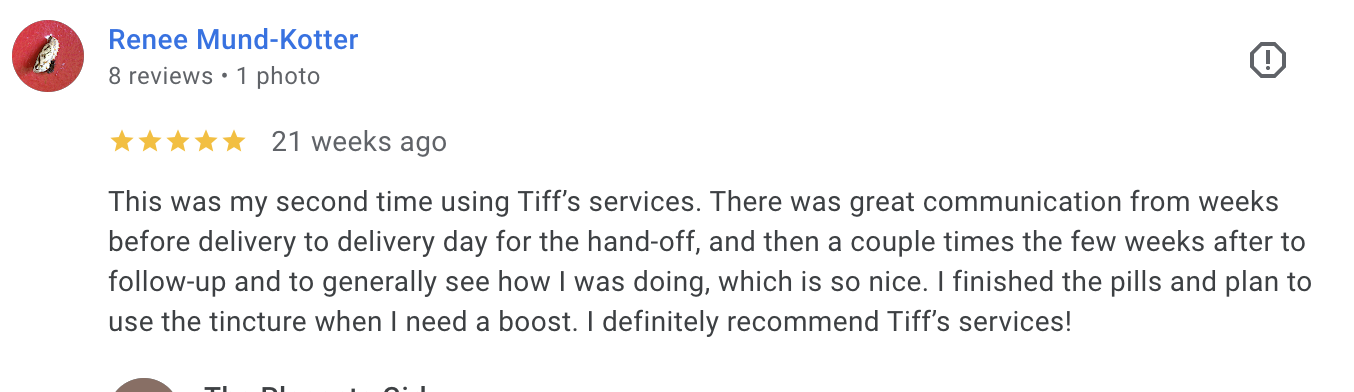
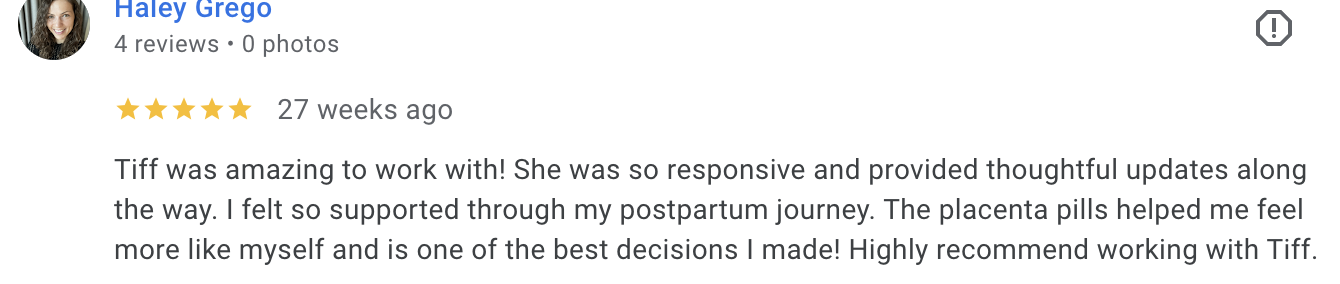
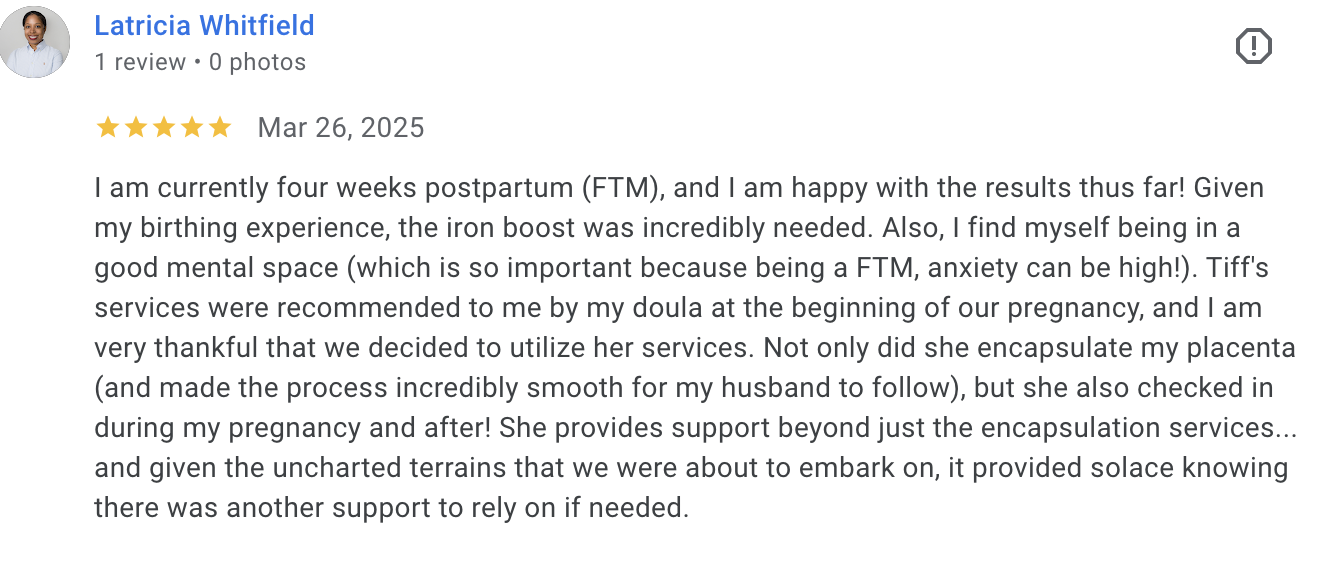
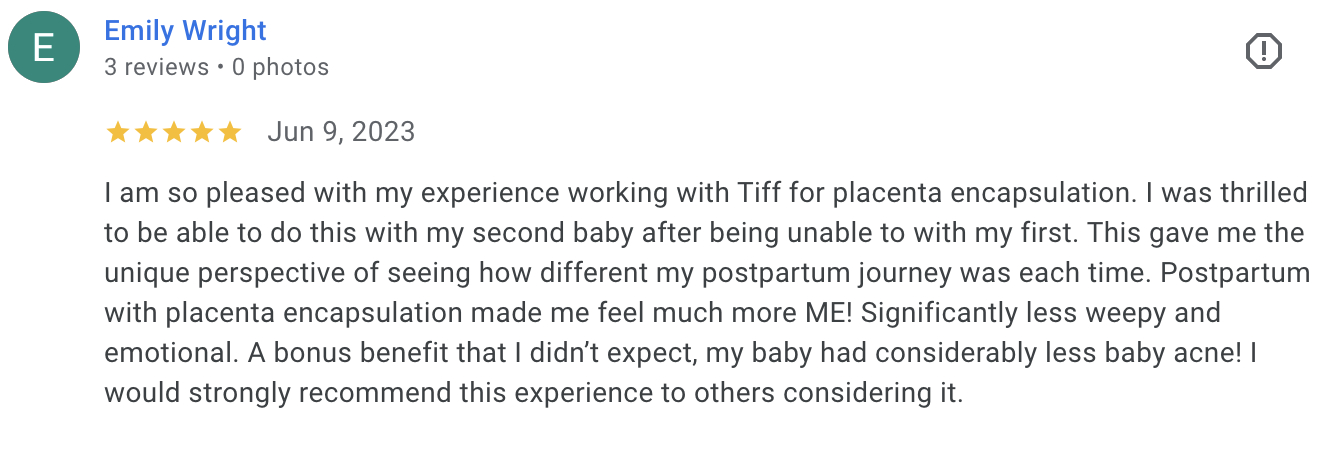
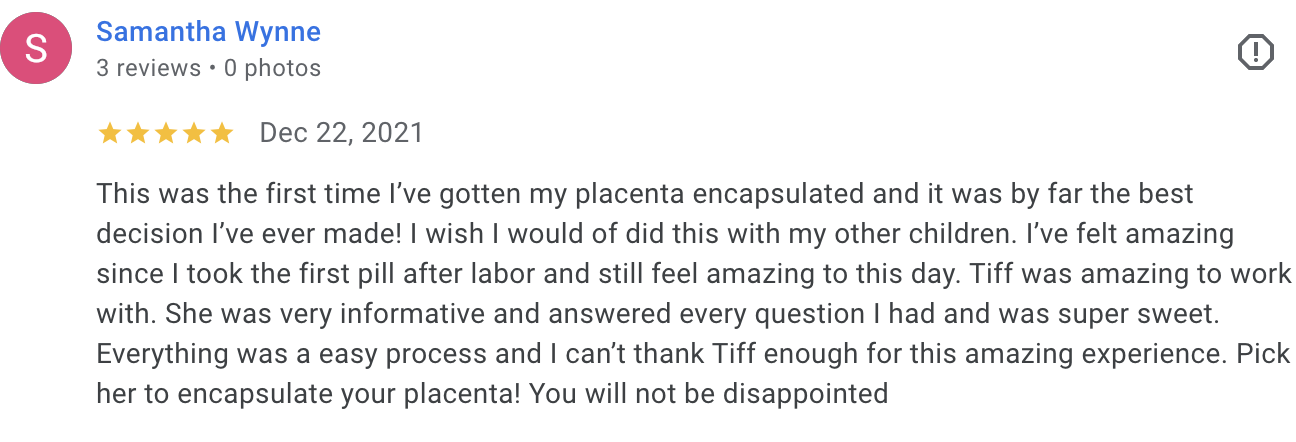
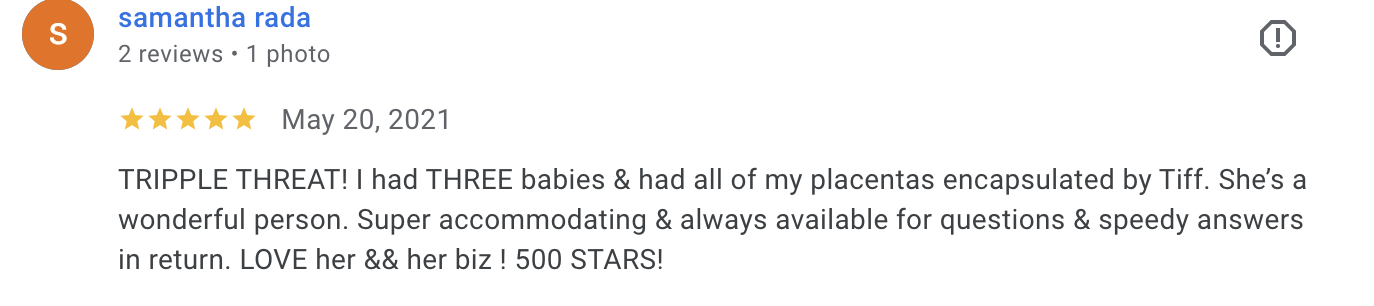
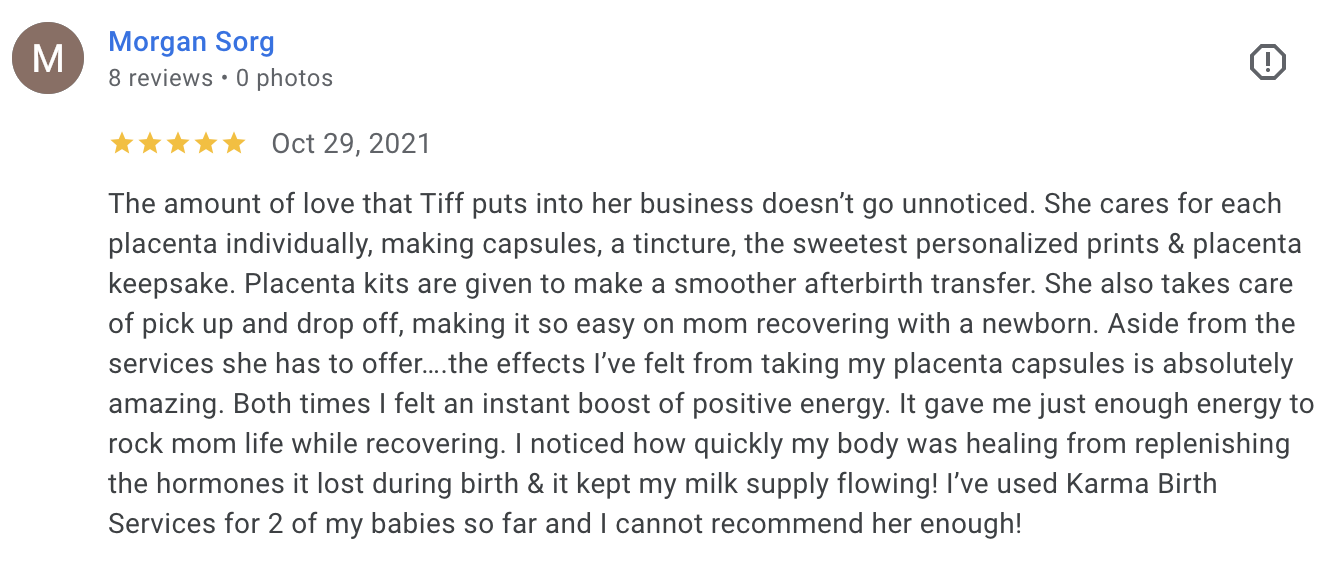
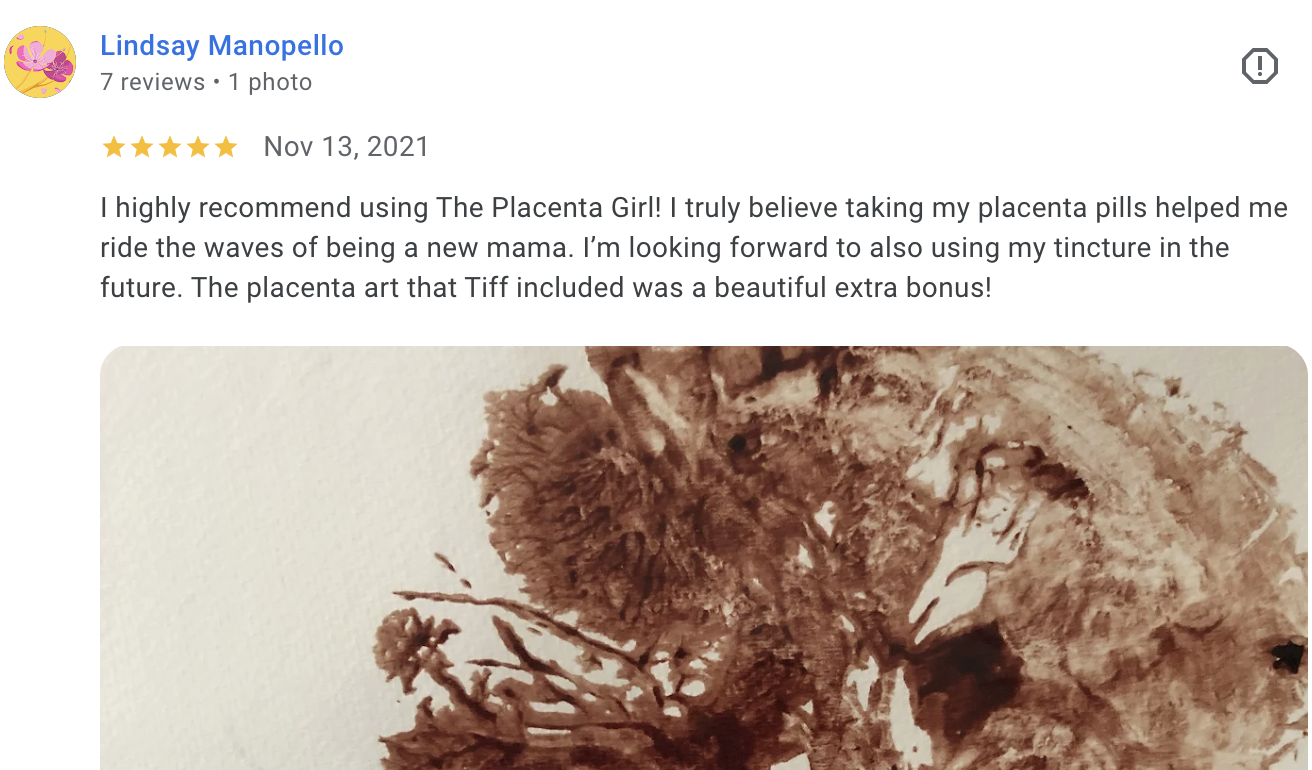
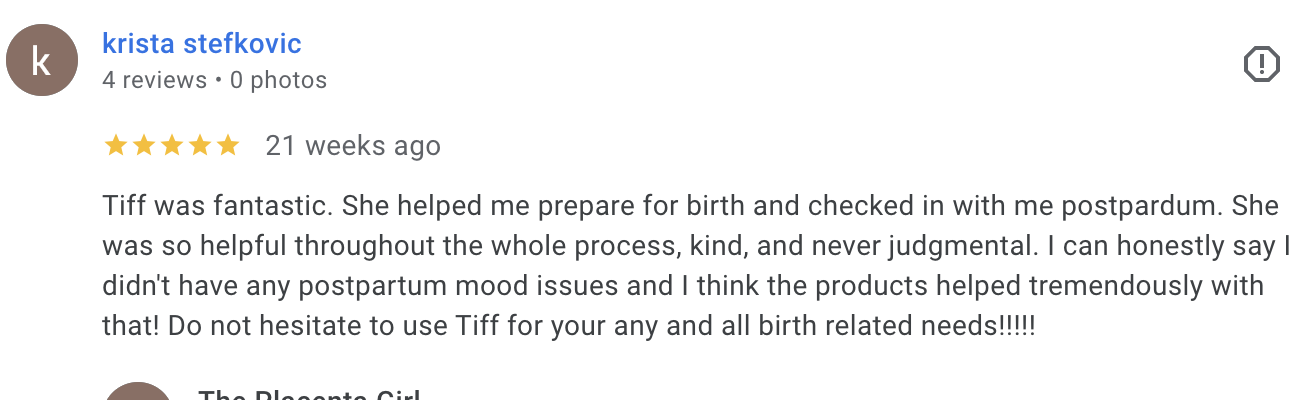
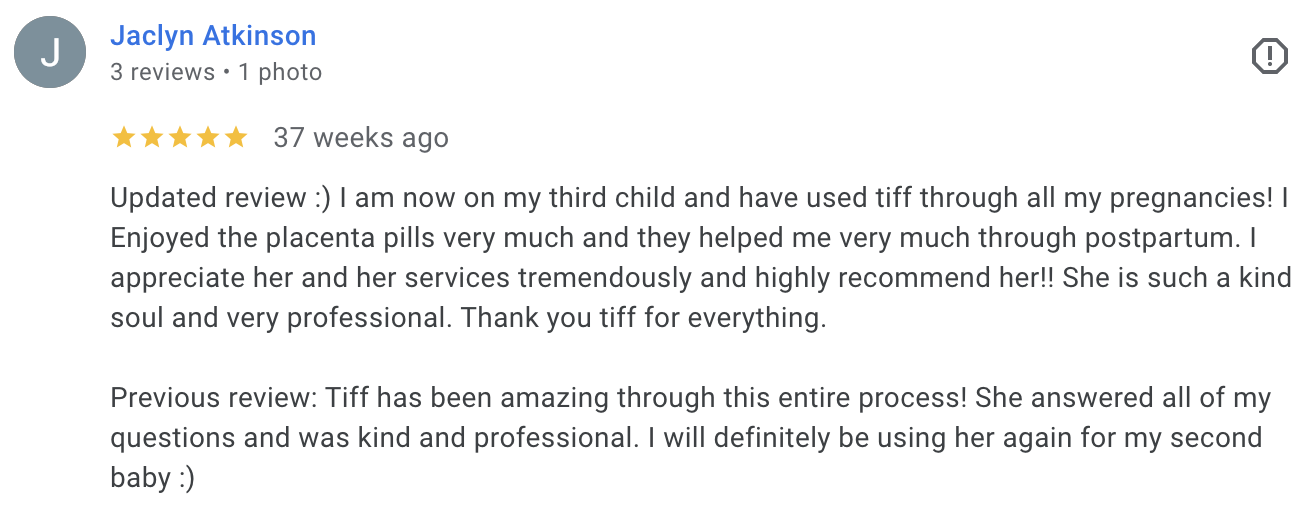
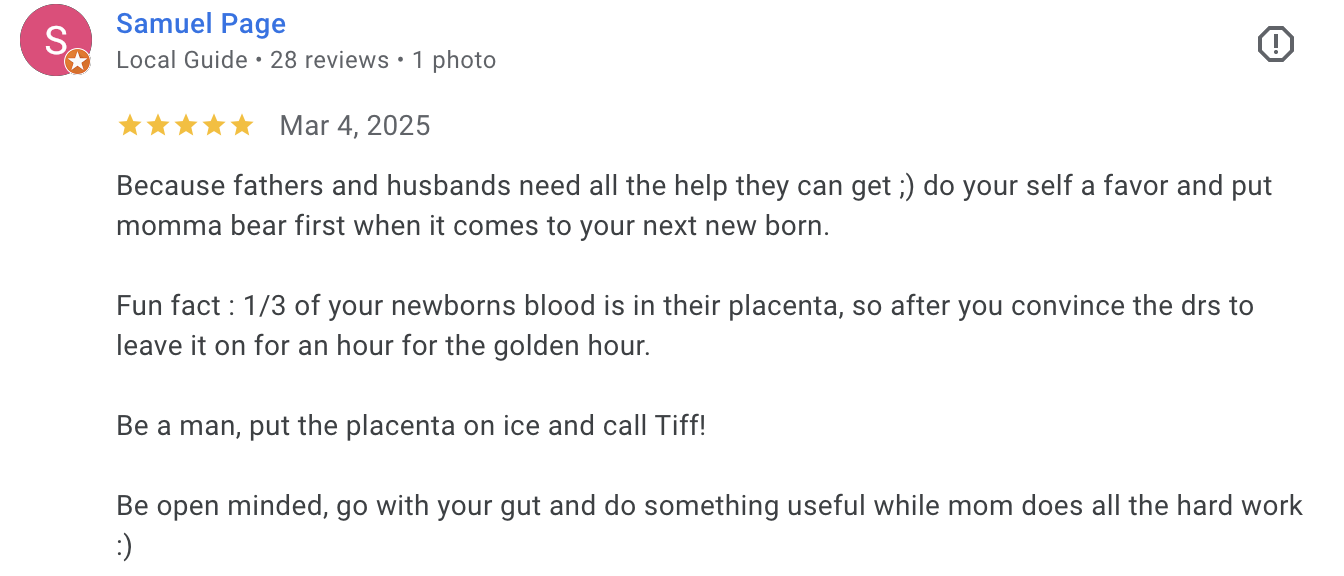
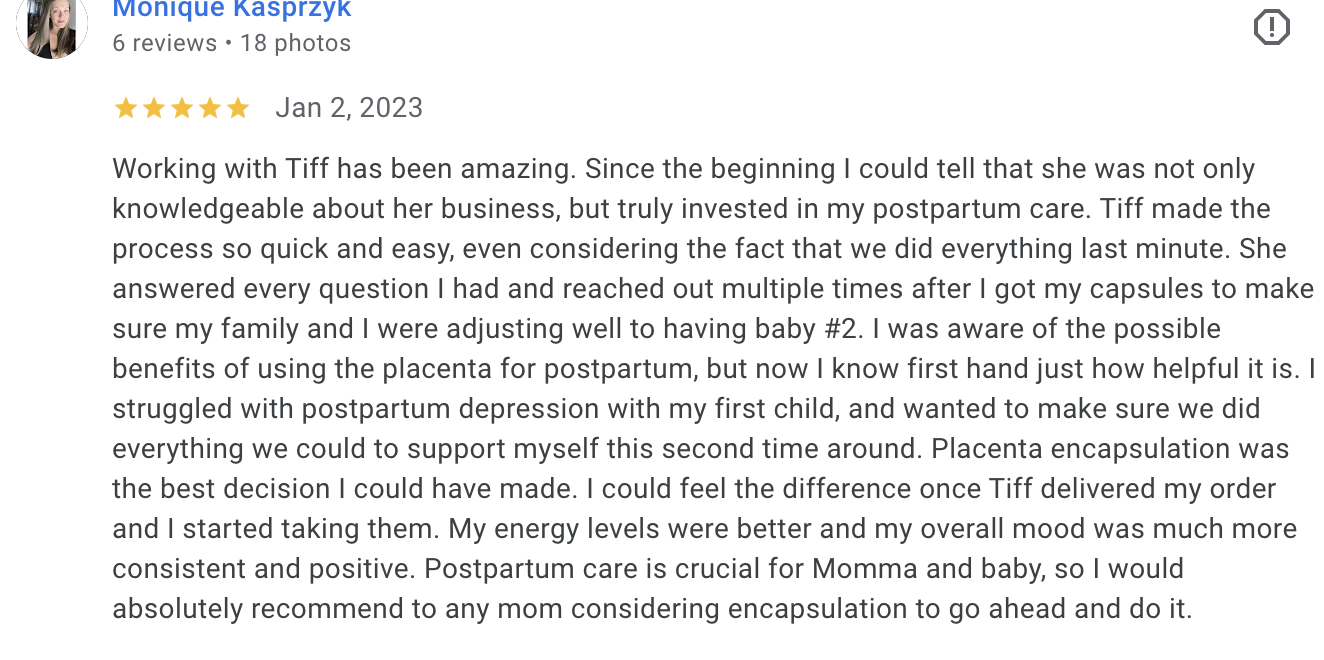
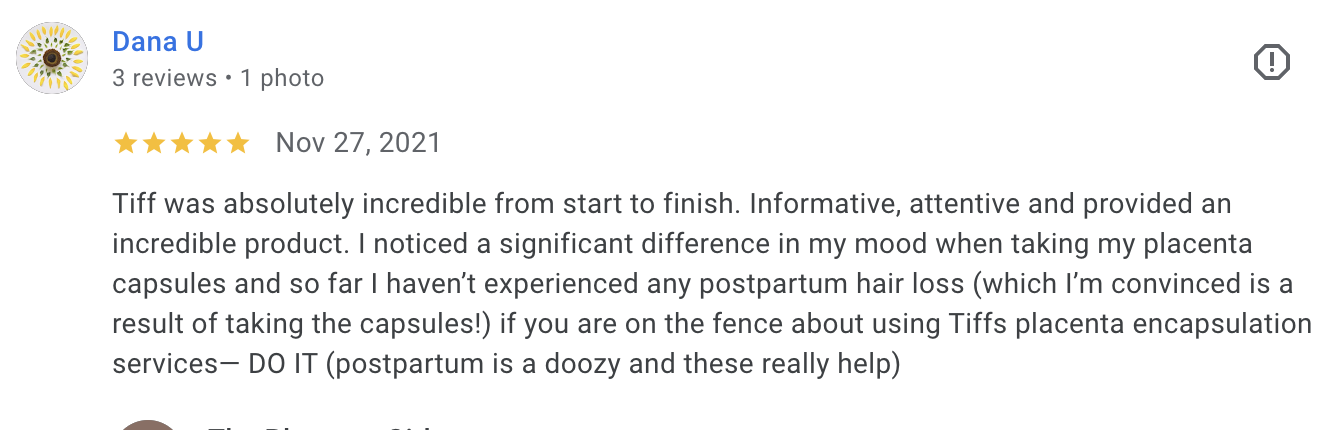
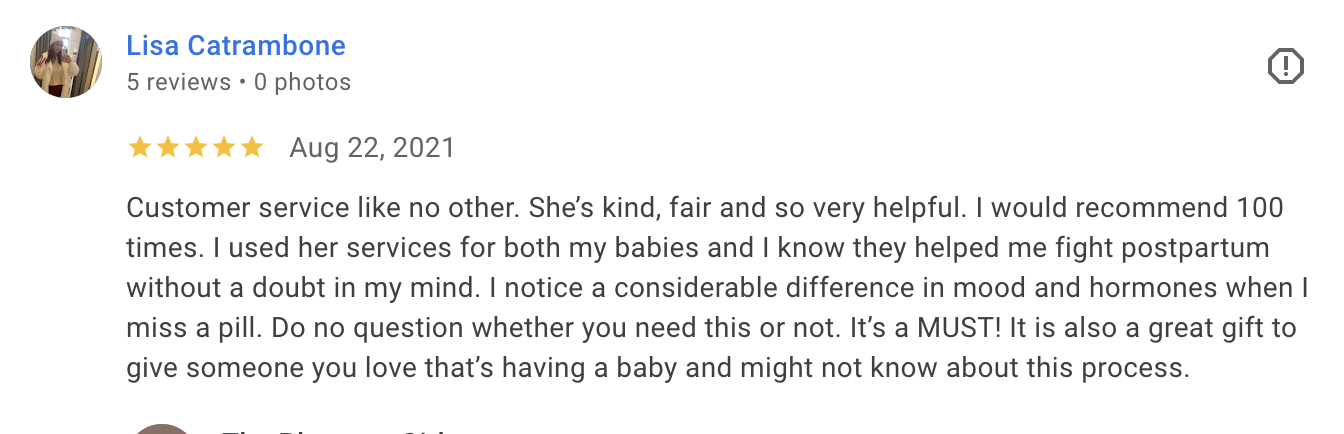
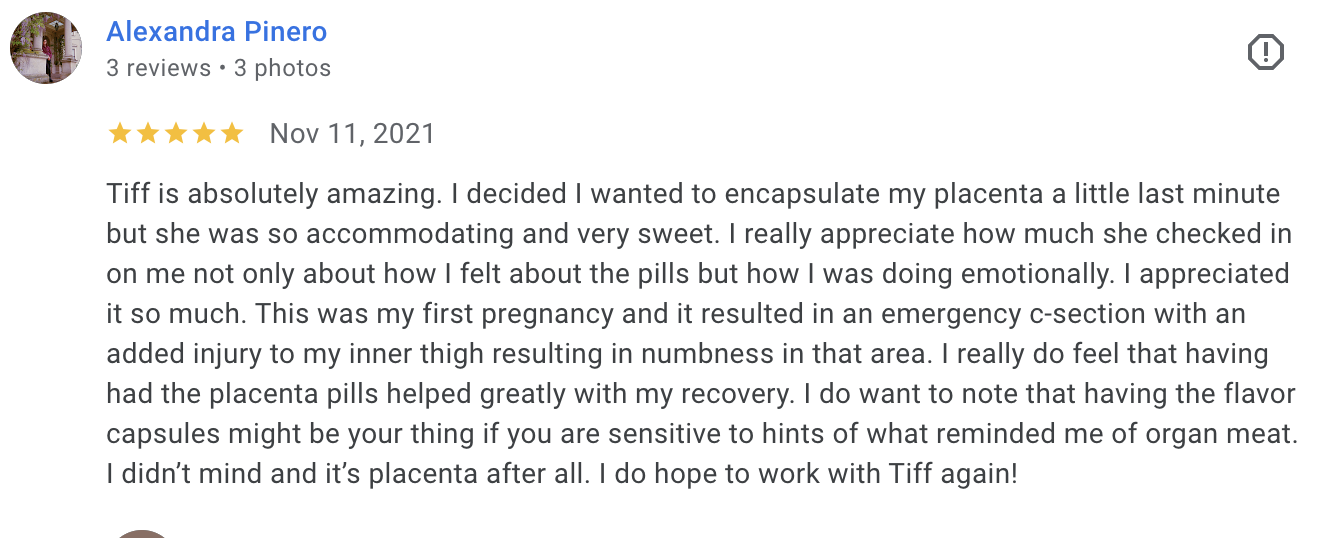
Hear it from other moms
New Jersey Counties Served: Atlantic County, Burlington County, Camden County, Cape May County, Cumberland County, Gloucester County, Hunterdon County, Mercer County, Middlesex County, Monmouth County, Ocean County, Salem County, Somerset County
Pennsylvania Counties Served: Bucks County, Montgomery County, Chester County, Delaware County, Philadelphia County
Delaware Counties Served: New Castle County, parts of Kent County
Reserve your Due Date today
Reserve your due date today. A $25% deposit locks you in. Final payment is due at 38-weeks.