
Placenta Encapsulation and Gestational Diabetes
Wondering if placenta encapsulation is safe with gestational diabetes? You’re not alone. Many South Jersey moms are exploring holistic postpartum recovery options, and the good news is — yes, you likely can safely encapsulate and consume your placenta, even with GD. In this post, we break down the research, real client experiences, and what to watch out for so you can make the best decision for your body.

Find Placenta Encapsulation Services Near Me
Looking for safe placenta encapsulation near you? Learn what to look for, questions to ask, and why hiring a trained perinatal specialist matters.

Should I Bank My Baby’s Cord Blood?
Thinking about cord blood banking? Before you drop thousands, let’s talk facts. Learn why private banking is mostly a waste—and where your money is better spent.

Placenta Encapsulation Benefits
Postpartum anxiety affects many new moms, leaving them feeling overwhelmed. In South Jersey, there are natural, holistic solutions available to help ease this transition. From sleep plans to placenta encapsulation, these simple practices can reduce anxiety and promote emotional well-being as you navigate your postpartum journey. Learn more about how you can support your mental health naturally.

Postpartum Expectations
Unrealistic expectations about pregnancy, birth, and postpartum recovery can set us up for postpartum anxiety. When we expect things to go perfectly and they don’t, it’s easy to feel overwhelmed. Recognizing and adjusting those pressures early can help you manage the emotional ups and downs, and avoid the crushing weight of unmet expectations later on.

Delayed Cord Clamping & Placenta Encapsulation in South Jersey Hospitals
Delayed cord clamping and placenta encapsulation go hand in hand, offering incredible benefits for both you and your baby. Delaying cord clamping allows vital blood to flow back to your baby, boosting iron levels, oxygenation, and overall health. And when it comes to encapsulation, your placenta still holds its postpartum power—ready to support your hormonal balance, energy, and mood.

Will My South Jersey Hospital “Let Me” Keep My Placenta?
No one has the right to tell us what happens to our bodies, our babies, or our placentas. We’ve been conditioned to ask for permission, but we don’t need it. Your placenta is yours, and with the right preparation, you can keep it with zero hassle.

5 Nutrients to Prioritize During Postpartum
Addressing nutrient deficiencies is key to your postpartum recovery. Learn about five essential nutrients—Vitamin D, Omega-3s, B vitamins, Magnesium, and Iron—that can support your physical and mental health as you navigate early motherhood. And, discover how placenta encapsulation can help replenish iron and ease postpartum depletion.

How Many Placenta Pills Will I Get?
The number of placenta pills you’ll get depends on placenta size, usually correlating with baby size. Placenta encapsulation supports postpartum recovery by replenishing nutrients and easing postpartum challenges like the baby blues and anxiety.

12 LIES ABOUT PLACENTA ENCAPSULATION YOU LIKELY BELIEVE
DIY placenta pills? If you’re in South Jersey, let Tiff, The Placenta Girl, do the work for you. With 13 years of experience and certified expertise, I ensure safe, nutrient-packed placenta pills for your postpartum recovery. From boosting energy and milk supply to supporting your emotional well-being, my placenta encapsulation service provides natural, empowering support for South Jersey moms.

Nationwide Placenta Encapsulation Services 👎
Choosing a local placenta encapsulator offers personalized care, quicker turnaround, and stronger community support. Avoid unnecessary risks and delays by keeping it local for your postpartum recovery.

Placenta Encapsulation and Group B Strep (GBS)
Some care providers discourage placenta consumption if a birthing parent tests positive for GBS, citing outdated or poorly supported claims. GBS colonization is common and not synonymous with infection, and proper encapsulation processes ensure safety by eliminating harmful bacteria. The often-referenced 2016 case provides no conclusive evidence against placenta encapsulation. With proper safety protocols, consuming encapsulated placenta remains a safe and empowering choice for parents.

Placenta Pills and Milk Supply
Some people claim that placenta encapsulation can lower milk supply, but there’s no strong evidence to support this. In fact, research and anecdotal reports suggest that placenta pills may help with postpartum recovery by balancing hormones, reducing stress, and replenishing iron—factors that can actually support lactation. This article breaks down the science, the myths, and what really impacts breastfeeding success. If you're wondering whether placenta encapsulation is right for you, here’s what you need to know.

Placenta Encapsulation: The Ultimate Power Move for Moms Who Refuse to Settle
Placenta encapsulation is a powerful, natural form of self-care that can help you navigate the postpartum period with more energy, stabilized hormones, and emotional balance. With over 1,500 placentas processed since 2012, I’ve seen firsthand how placenta pills can make a significant impact on your recovery. Don’t settle for just getting by—take control of your postpartum journey today.

Placenta Encapsulation Isn’t FDA-Approved – But This Junk Is?
Placenta encapsulation isn’t FDA-approved, but that doesn’t mean it isn’t beneficial. In fact, it’s a natural, nutrient-packed process trusted by moms for generations. Learn why it’s not FDA-approved, how it compares to other FDA-approved substances, and why it might just be the postpartum support you need.

Choosing a Safe Placenta Encapsulation Service: 10 Important Questions to Ask
Choosing a Safe Placenta Encapsulation Service: 10 Important Questions to Ask

FAQ: Is the Placenta Full of Toxins?
As a placenta encapsulation specialist, I spend a lot of time clearing up misinformation and misconceptions. People have all sorts of opinions, from those who are genuinely curious to those who, for whatever reason, are dead set on talking folks out of taking placenta pills. I fully understand that placenta encapsulation isn’t for everyone, but I am fully committed to helping people make informed decisions about how to support themselves postpartum.
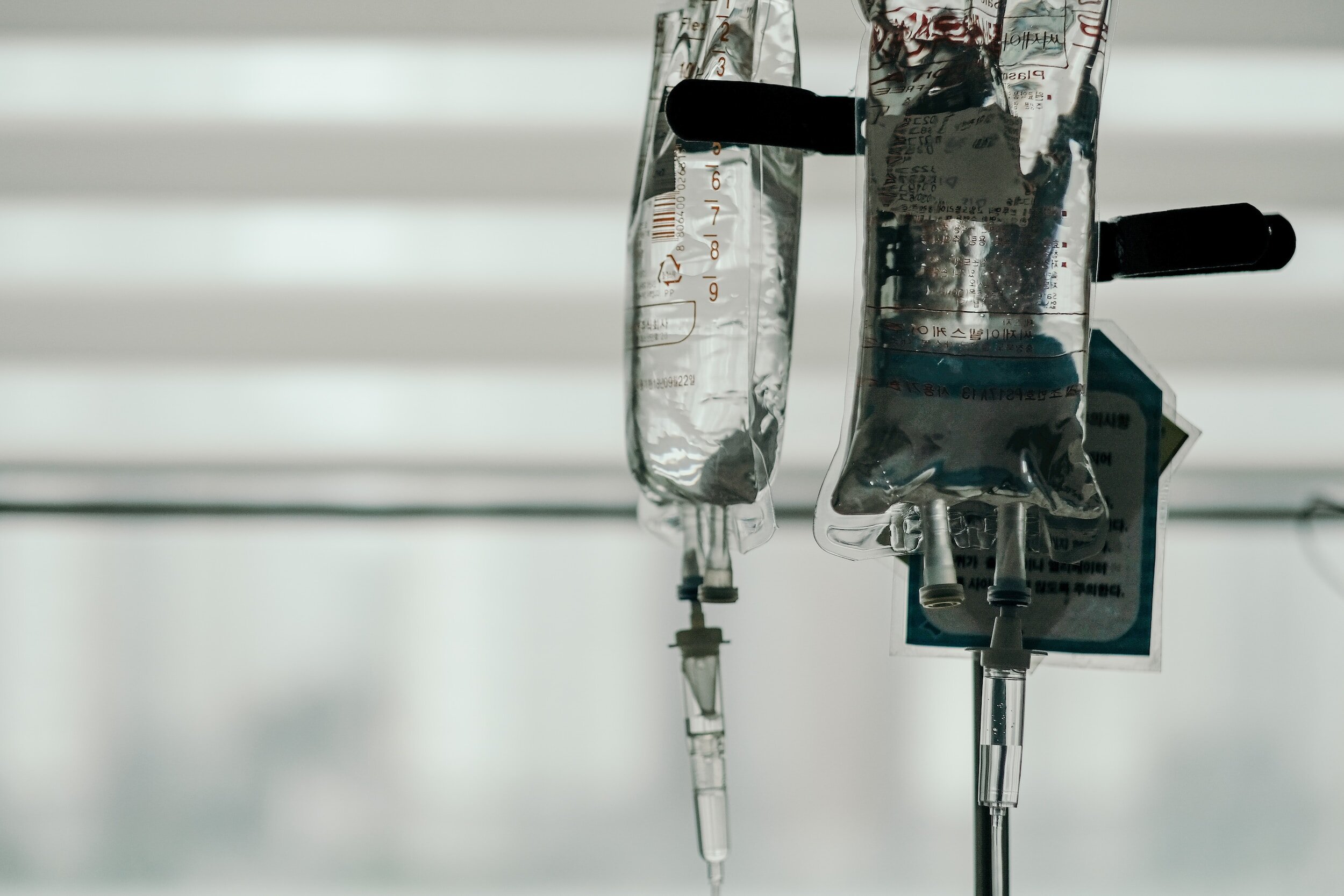
Placenta Pills vs. Zulresso - The Battle for Postpartum Mental Health
It's flipping awesome that there's now a medication with proven efficacy in treating postpartum depression (PPD). However, when we consider the potential benefits of placenta encapsulation in preventing PPD, it's kind of infuriating to see the lack of research in this area.
Let’s consider the reasons behind it.
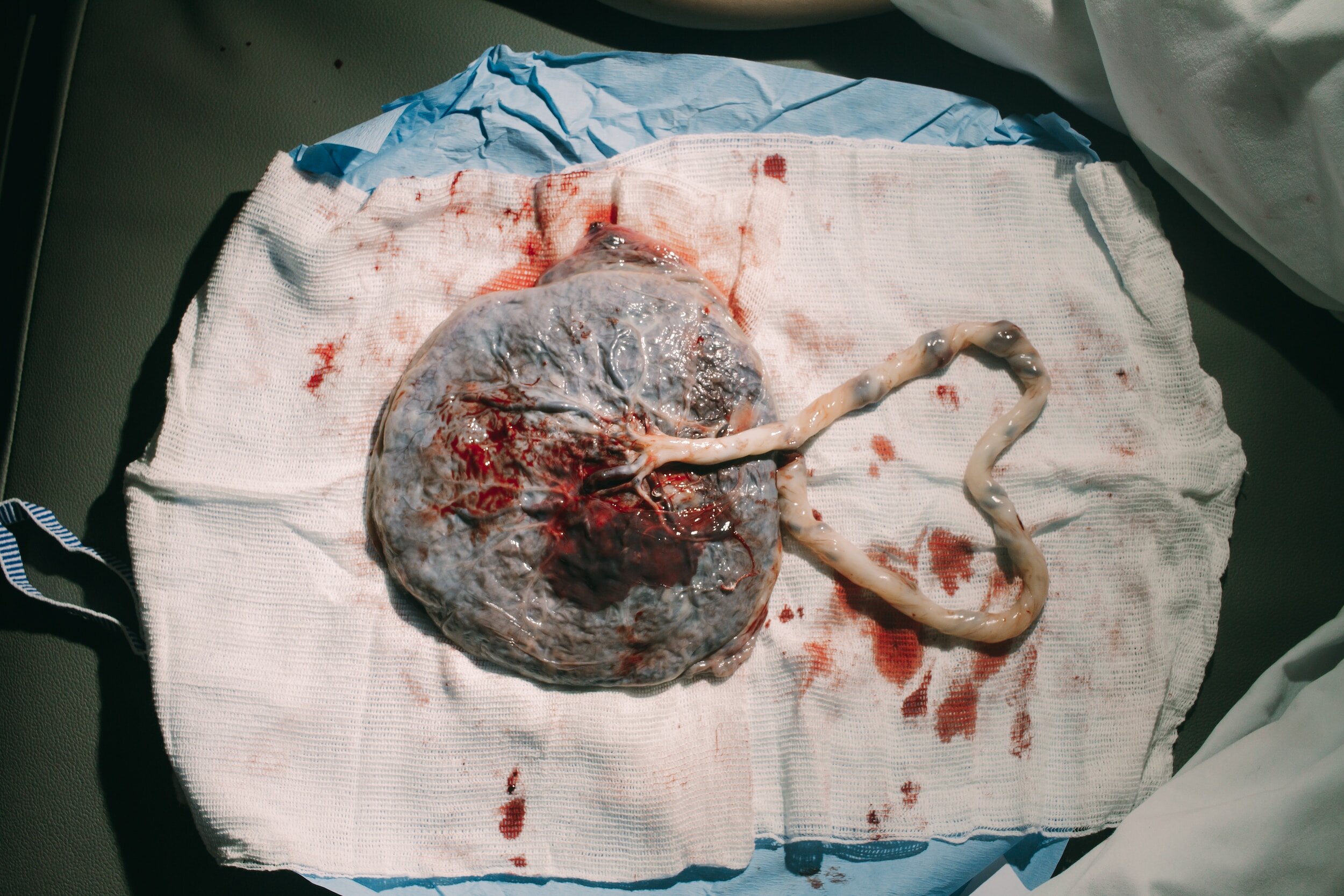
Where’s The Research on Placenta Pills?
Placenta encapsulation, one of my specialties, is really not as wild as it seems. It involves taking a new mom's placenta, dehydrating it, grinding it into a powder, and encapsulating it for her own consumption. This age-old practice has been around for centuries but has increased in popularity among mainstream folks over the last decade or two, thanks in part to Kim Kardashian and the power of social media.
Many of us who have tried it swear by the efficacy of our placenta pills. Yet, skeptics scream about its safety and lack of scientific evidence – even though not a single woman or baby has been harmed by it.
In a world where society often leaves new moms to navigate motherhood alone, many are willing to try anything, especially something created by their own bodies, to enhance their postpartum experience. It's a form of empowerment, giving moms the choice and control over their own well-being.
Does Placenta Encapsulation Work for Postpartum Anxiety and Depression Prevention?
I’ve been working as a placenta encapsulation specialist since 2012 and have processed nearly 1500 placenta into “vitamins” during that time. And about a year ago, I started wondering more about the validity of my claims that "#placentapillswork.
So I sent out an anonymous survey to my past clients, and the results kind of shook me.